
Children feel a sense of accomplishment from creating something that has function and purpose, but that’s just one of the reasons we teach knitting at SWS.
KNITTING STIMULATES THE BRAIN
Knitting builds the brain by stimulating both both hemispheres – combining mathematics (counting, patterning) with creativity while engaging the hands purposefully … which leads us to hand-eye coordination. Knitting helps with motor skills, sensory perception and tactile feedback.
DEVELOPING FOCUS AND DELAYED GRATIFICATION
Working through a row of knitting requires laser attention, and it’s really effective in developing focus. Additionally, the process of coming back to a task day after day in order to achieve a goal requires diligence and is a great experience for children when the finished product links the labour with the reward. Delayed gratification strengthens impulse control and teaches the benefits of hard work.
A FOUNDATION FOR ACADEMICS
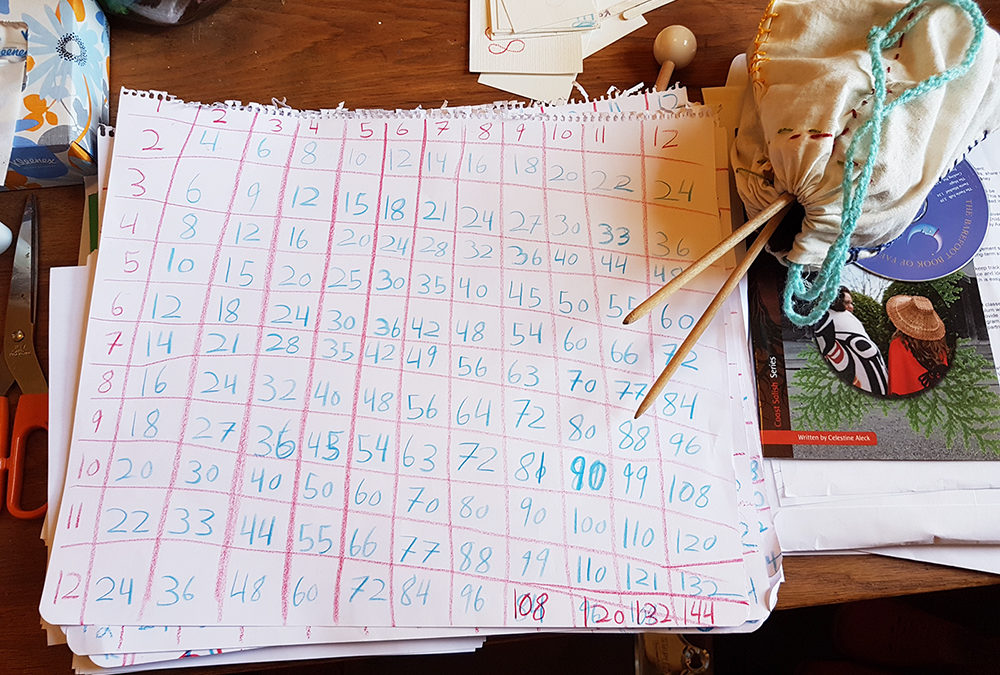
Beyond counting stitches, knitting is mathematically-complicated and relates to different disciplines, from patterning and geometry to coding.
RELAXATION AND QUIET TIME
The rhythmic action of knitting can be similar to meditation, allowing children to relax the mind.
SELF-ESTEEEM
By learning how to knit, children apply their discipline, focus and coordination to create an item of value and practicality. They learn that hard work can be rewarded, which builds their sense of accomplishment. Being able to show that they made something so complicated all on their own gives them pride and elevates their self-esteem.
Further reading about knitting and mathematics:
smithsonianmag.com/innovation/what-knitting-can-teach-you-about-math
Knitting to better math – Peabody Vanderbilt College
Who knew math and knitting were so closely knit?